


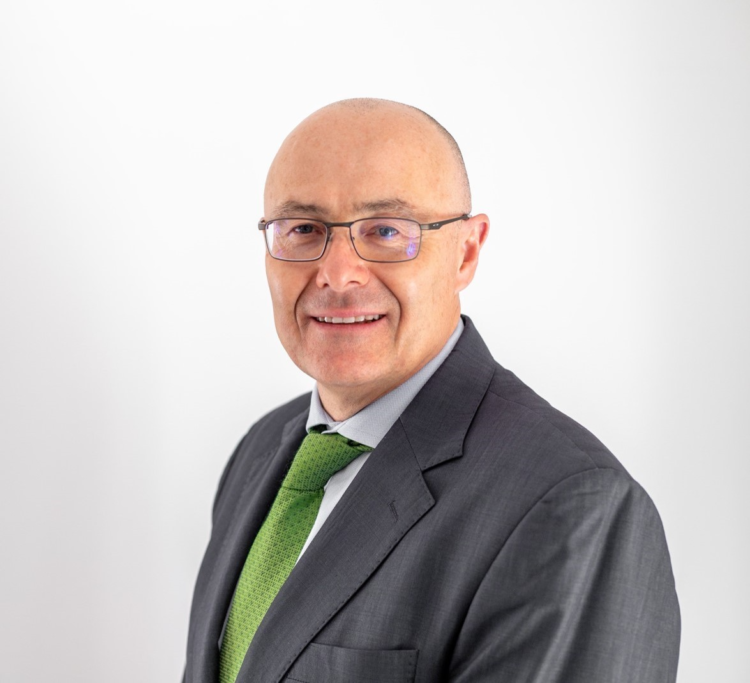
At Optegra, our consultants combine decades of surgical expertise with a deep commitment to patient well-being. In this edition of our Meet the Consultant series, we speak with Mr Javier Bardavio about his international background, his family heritage in eye care, and the human connection that defines his practice.
A Heritage of Healing
For many, the path to medicine is a gradual discovery, but for Mr Javier Bardavio, the profession is woven into his personal history. Though he is from Barcelona, Spain, his connection to the UK began at birth in Rochford, Essex, while his father was undergoing specialist training in ophthalmology in Southend-on-Sea.
Growing up with a father who was a dedicated eye surgeon, his exposure to the field started remarkably early. Having lived by the sea for most of his life, he maintains a great attachment to the coast, yet his formative years were spent in the operating theatre.
“I started operating with my father when I was only 14,” Mr Bardavio says. “Things were very different back in the 70s and 80s, but I have loved cataract surgery since I first saw it decades ago.”
The Joy of Transforming Lives
The primary motivation behind Mr Bardavio’s work is the profound impact that restoring sight has on a person’s daily life. As cataract is the most prevalent cause of reversible visual loss, the ability to provide a solution is his greatest reward.
“It is the visual difficulty that concerns me,” he explains. “I know I can help, and that is enough for me.”
Navigating the Surgical Journey
To help patients feel at ease, Mr Bardavio believes in demystifying the surgical process. Cataract surgery is a highly refined procedure designed for safety and precision.
The journey begins with a thorough preparation period to ensure the patient is fit for surgery and fully understands the steps ahead. Once in the operating theatre, the team performs rigorous safety checks, confirming identity, laterality, and lens power.
“During the operation, we make two tiny incisions and use a protective device to shield the eye’s tissues,” Mr Bardavio explains. “We remove the cataract and leave a clean, healthy capsular bag to insert the new intraocular lens, which remains stable forever.”
To see a detailed breakdown of this procedure, you can learn more about how cataracts are removed in our blog.
Reassuring the Nervous Patient
While the clinical process is vital, the emotional journey of the patient is equally important. Anxiety is a natural response to eye surgery, and Mr Bardavio prioritises the human connection to help alleviate these fears.
“I always ask the patients if they have questions or concerns just before the operation,” he says. “Everyone appreciates that the surgeon sits in front of them for a minute and looks them in the eye to talk shortly. That is the human connection that gives the whole procedure a sense of well-being: we are doing this to make you better, sort of message.”
For Mr Bardavio, it’s about ensuring that every specific doubt is cleared before the procedure begins. He and his team are even happy to provide physical reassurance if needed. “We hold their hand so they feel they are not alone, if they wish to have so,” he adds. “These patients need to know that whatever happens, we are all going to help them until they are perfectly well.”
Dispelling Eye Care Myths
Education is a key part of the consultation process. One common myth Mr Bardavio is keen to dispel involves patients on blood-thinning medication. “Patients on anticoagulants do not need to stop their medication to undergo cataract surgery, not even the ones that are on Warfarin, as long as their anticoagulated effect is appropriate,” he clarifies.
He also frequently addresses the question of whether cataracts can return. While the cataract itself is removed completely and cannot grow back, a “capsular opacity” can sometimes develop in the light path, inducing a similar blurring of the image.
“Fortunately, we can treat that easily with a laser procedure,” Mr Bardavio explains.
Equality in Excellence
Whether treating patients through the NHS or privately, Mr Bardavio is firm that the clinical standard remains uncompromisingly high. While service models may vary, the medical expertise and safety protocols remain identical for every individual.
“They receive a different service but with the same standard of care,” Mr Bardavio notes. “Private patients have opted for a guaranteed low or no dependency of spectacles, but all patients are given equal care, meaning treated with the same respect, applying the same safety standards, aiming for equally high results.”
His philosophy is built on “maximising efforts to minimise complications,” ensuring every person is followed through to discharge and seen as many times as necessary postoperatively. As Mr Bardavio explains: “Following these standards is how we have managed to reduce complication rates so much.”
Looking After Your Vision
Beyond surgery, Mr Bardavio emphasises the role of preventative care. While technology can restore sight, lifestyle choices play a significant role in long-term eye health. He maintains that a well-balanced diet and a healthy lifestyle are the best tools for delaying age-associated eye diseases.
Ready to improve your vision?
If you would like to learn more about cataract surgery or wish to discuss your eye health with an expert, book a free consultation today.
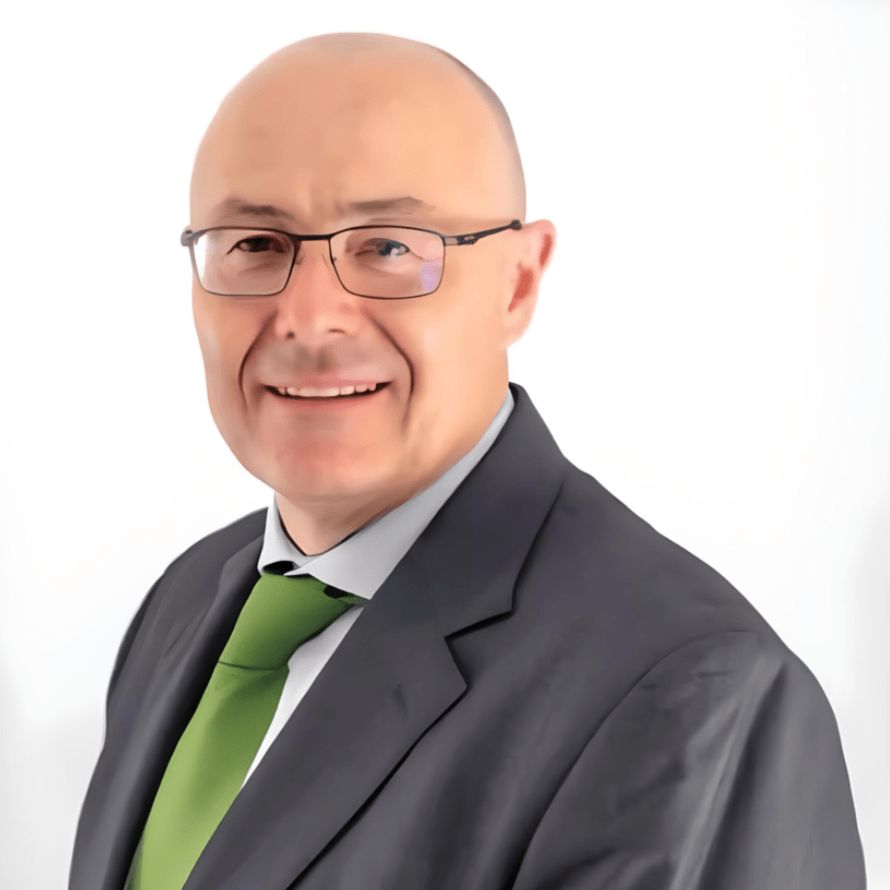
By Author: Javier Bardavio
Mr Francis Xavier (Javier) Bardavio Ara is a Consultant Ophthalmologist that provides services in the independent healthcare industry. His main interest is cataract surgery, but also glaucoma and refractive cataract surgery.
Medically Reviewed Date: 3rd February 2026