


With a passion for high-precision surgical care and deep empathy for her patients, Consultant Ophthalmic Surgeon Dr Magdalena Edington brings a comprehensive approach to sight restoration at Optegra. She shares what drew her to the unique blend of medicine and intricate surgery, offers vital lifestyle advice, and details the revolutionary advancements in cataract treatment, including the convenience of drop-free surgery.
The Art of Microsurgery: A Fascination with Precision
Dr Edington was initially drawn to surgical rotations during her university medical training, but it was a placement in ophthalmology that cemented her path.
“I became fascinated with the blend of medical and surgical care, the high degree of technical skill and manual dexterity required for microsurgery, as well as the incredible difference that restoring eyesight makes to patients,” Magdalena recalls. “There was no going back!”
She particularly enjoys the challenge of each case being unique, requiring surgeons to think on their feet and apply tailored solutions.
The Most Rewarding Part: Easing Patient Worry
For Dr Edington, the greatest reward comes not from the surgical procedure itself, but from the human connection.
“The highlight of each day is definitely interacting with my patients – getting to know them and understanding their lifestyle, visual needs, and sometimes their worries. Needing surgery can be a scary experience, so being able to reassure them, answer their questions, and then adjust my technique to fit their needs is very important.”
She highlights the ultimate goal of empathetic care: “When they walk out of theatre with a big smile, saying ‘I don’t know what I was worried about’, it is such an amazing feeling.”
Nutrition and Lifestyle: Critical Factors in Eye Health
Dr Edington stresses that eye health is inseparable from overall physical well-being.
“Overall health has a huge impact on the eyes; for example, uncontrolled hypertension and diabetes can cause ocular vascular complications such as vein occlusions or vitreous haemorrhages,” she advises. She emphasises that lifestyle choices have direct consequences:
- Smoking and alcohol excess can lead to the progression of macular degeneration or conditions that cause irreversible vision loss.
- Nutrition is critical to maintaining good eyesight; she advises eating a balanced diet with plenty of green leafy vegetables and foods high in Omega-3.
Dr Edington confirms that the younger the better is the “best age” to start regular eye health checks, as it allows for early diagnosis and treatment of refractive errors in children to prevent long-term issues like amblyopia.
Advancements in Cataract Surgery: Premium Lenses and Drop-Free Care
Ophthalmology is defined by constantly advancing technology, and Dr Edington highlights two key developments enhancing patient choice and recovery:
- Premium Vision Correction: “Many patients with cataracts now inquire about vision correction options to reduce their spectacle dependence. At Optegra, we offer private surgery with a range of premium lenses and laser options.”
- Drop-Free Cataract Surgery: While the concept is not new, Optegra is one of the first providers to offer this safe and convenient option to all eligible patients, transforming the post-operative recovery experience.
Post-Surgery Precautions: What to Avoid
To ensure optimal healing after cataract surgery, Dr Edington advises patients to take certain precautions, particularly in the first one to two weeks.
- Avoid eye rubbing and strenuous physical activity, as these actions can increase the risk of infection, bleeding, or disruption of the wound.
- Patients are usually given a clear plastic shield for nighttime use to prevent inadvertently rubbing or pressing on the eye during sleep.
Depending on the patient’s job (e.g., dusty environments, heavy manual labour, or HGV driving), a longer period of time off work may be required.
The Question of Recurrence: Why Cataracts Can’t Come Back
Dr Edington reassures patients that the initial cataract cannot return:
“Once the cataract is removed, it will not reform,” she confirms. However, she clarifies the cause of secondary blurring: “The capsular bag, which holds the new lens implant in place, can opacify with time. This can be easily treated with a YAG laser.”
Book Your Free Consultation
Ready to discuss your unique visual needs and learn more about our advanced vision correction surgery options? Book your free, zero-obligation consultation with our team today.
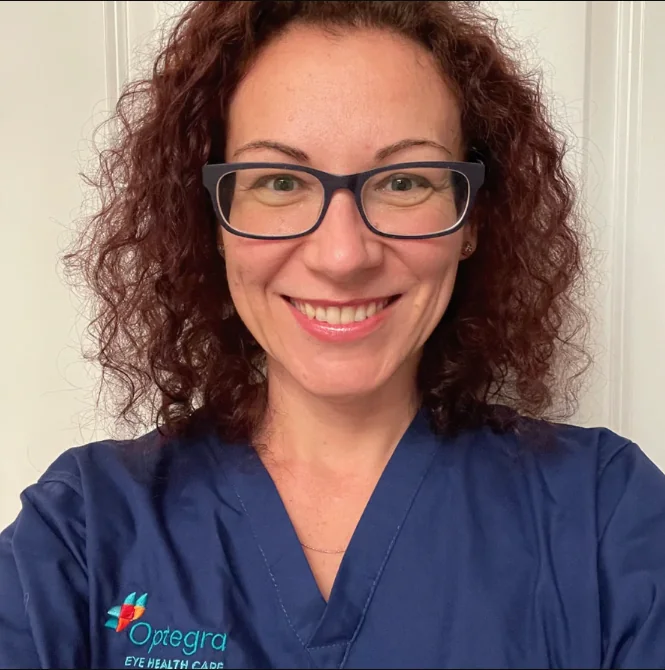
By Author: Dr Magdalena Edington
Dr Edington is a skilled ophthalmic surgeon specialising in high volume cataract surgery and dedicated to providing her patients with personalised, high-quality care.
Medically Reviewed Date: 3rd February 2026